
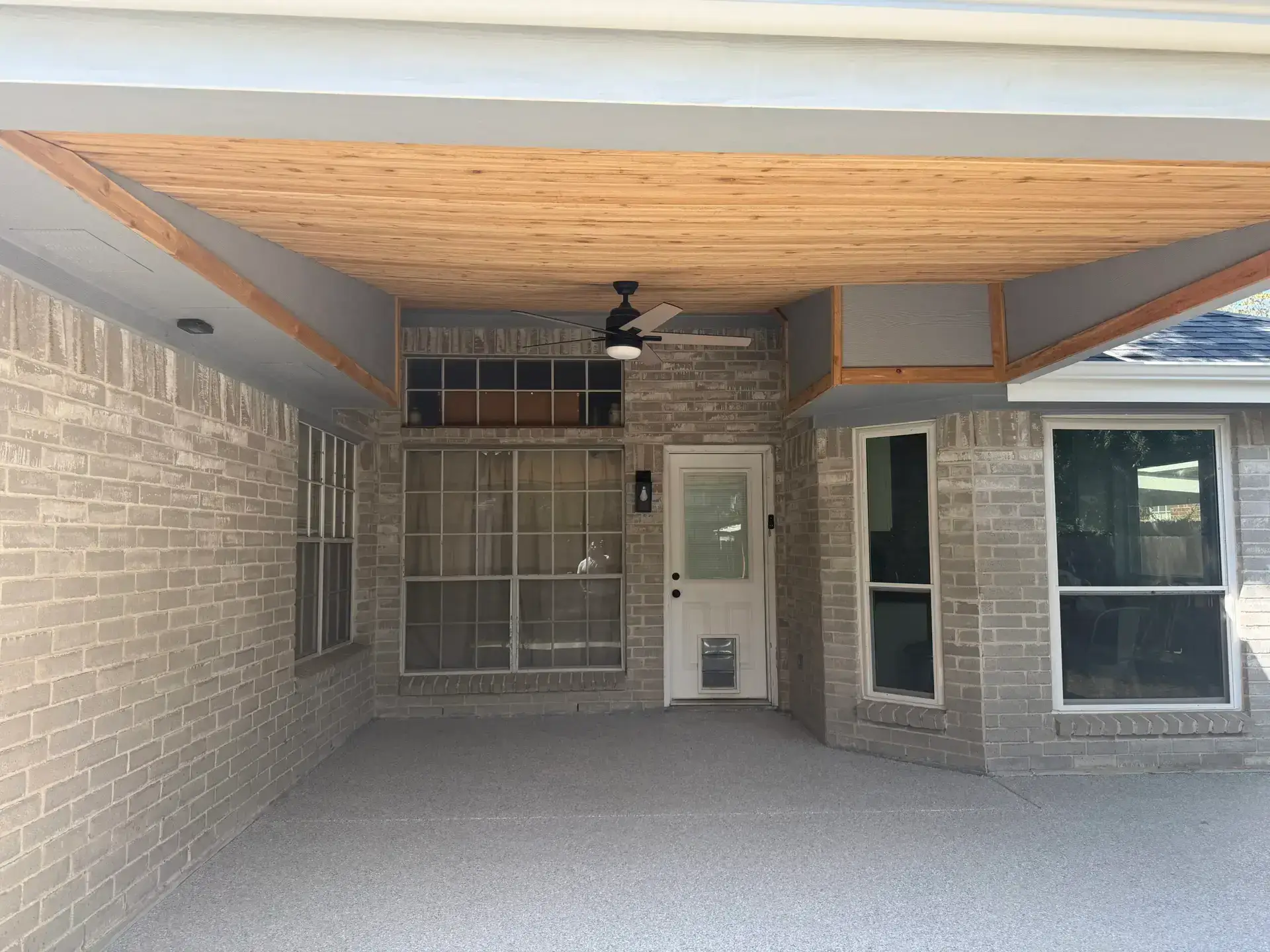
10 House Renovation Mistakes Austin Homeowners Must Avoid
Renovating a home is exciting — a chance to improve function, increase value,
and personalize where you live. But without the right planning and
professional guidance, your renovation can quickly turn into a frustrating,
expensive ordeal.
In Austin and Central Texas, unique conditions and local building requirements
make planning even more critical. From seasonal weather patterns to historic
neighborhoods with specific rules, there are plenty of renovation pitfalls to
avoid.
In this guide, we’ll walk you through the 10 most common house renovation
mistakes Austin homeowners make — and how to avoid them.
1. Skipping the Planning Phase
The biggest mistake most homeowners make is starting demolition before
planning. A proper renovation plan includes:
- Accurate measurements
- Clear scope and timeline
- Budget with contingency
- Material selections finalized in advance
According to
Houzz research, projects that begin without a clear plan are far more likely to go over budget and schedule.
At Renovate 512, we always start with a detailed plan that protects both time and money.
2. Underestimating the Budget
Renovation budgets often grow during the project — usually because items
weren’t accounted for before work began. Typical hidden costs include:
- Structural repairs found during demo
- Electrical or plumbing upgrades
- Permit costs
- Material lead times
A good rule of thumb is to add a 10–20% contingency to your original budget.
This helps prevent surprises that force you to compromise on quality or abandon your vision.
For reference, the
Remodeling Calculator provides ballpark renovation costs by project type and location.
3. Ignoring Austin-Specific Building Requirements
Austin and nearby cities like Round Rock and Cedar Park all have local building requirements,
including energy codes, historic district guidelines, and zoning rules. Failing to account
for these can lead to fines or even halted projects.
Always check permit requirements and consult with professionals who understand local codes.
City of Austin permits are available through the City of Austin’s permit portal.
4. Sacrificing Quality for “Deals” on Materials
Saving money on materials can feel good in the moment — but low-quality products
often show wear quickly, leading to early replacement costs.
For example, cheaper cabinetry hardware may wear faster, and lower-grade tile
can crack under regular use. Spending a little more upfront on quality often
pays dividends in durability and resale value.
5. Forgetting About Long-Term Utility Costs
A remodel should not only look good — it should perform well. Something that
’s often overlooked is how energy efficiency affects long-term costs.
Features like:
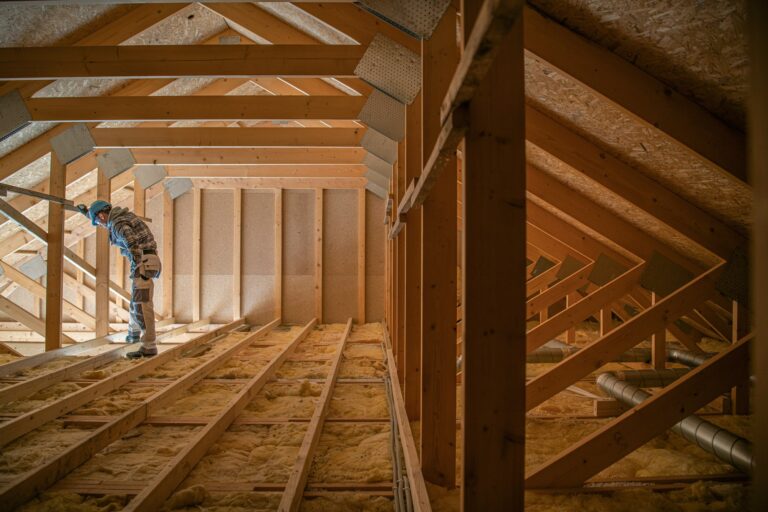
- Proper insulation
- Energy-efficient windows
- LED lighting
- High-efficiency HVAC equipment
can reduce monthly energy bills and improve comfort year-round. The
U.S. Department of Energy offers guidance on energy-efficient home upgrades that save money in the long run.
6. Not Hiring Professionals Early Enough
One of the worst mistakes homeowners make is waiting too long to bring in professionals.
A general contractor does more than manage crews — they coordinate:
- Subcontractors
- Permits
- Inspections
- Timelines
- Product selection coordination
Delaying professional involvement often leads to miscommunication, delays, or costly mistakes.
7. Overlooking Structural Issues
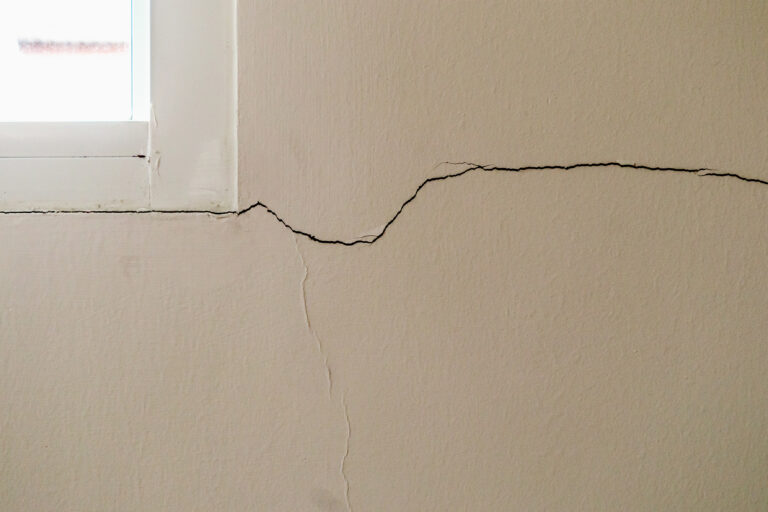
During renovation, hidden structural problems can emerge — from foundation cracks
to outdated framing. Ignoring these can lead to more serious issues later.
Always inspect foundational elements and structural supports before building cosmetic
elements. Fixing structural problems first saves money long term and protects your
investment.
8. Poor Project Timeline Sequencing
Renovations follow a sequence — demo, structural, utilities, insulation, finish work.
Doing these out of order creates rework and delays.
A professional project plan ensures every phase happens in the right order,
preventing wasted labor and frustrated homeowners.
9. Not Planning for Temporary Living Needs
If renovations disrupt daily routines, homeowners often underestimate the impact.
Temporary relocation, kitchen shutdowns, or limited bathroom access all require planning.
Allocate part of your budget for temporary needs or schedule disruptive work
in phases that minimize impact.
10. Neglecting Clean-Up and Final Walkthrough
Many homeowners think clean-up happens after construction — but the best projects
include planning for dust containment, final cleaning, and a thorough walkthrough
before completion.
The final walkthrough ensures that everything meets your expectations —
and gives you a chance to confirm any last adjustments.
How to Avoid These Mistakes With Renovate 512
Renovate 512 has helped hundreds of Central Texas homeowners complete
successful, stress-free renovations. Our approach focuses on:
- Detailed upfront planning
- Transparent pricing
- Professional project management
- Local permit and code knowledge
- Trusted subcontractor coordination
We tailor every renovation plan to your home, your timeline,
and your budget — avoiding costly mistakes before they happen.
Get Started on Your Renovation With Confidence
If you’re planning a renovation in Austin or Central Texas and want professional
guidance that protects your time and money, contact Renovate 512 today.
Call (512) 222-9388 or Contact Us
Helpful External Resources
Houzz – Real Renovation Cost & Planning Data
Remodeling Calculator – Cost Estimates
Energy.gov – Energy Efficient Home Design Tips